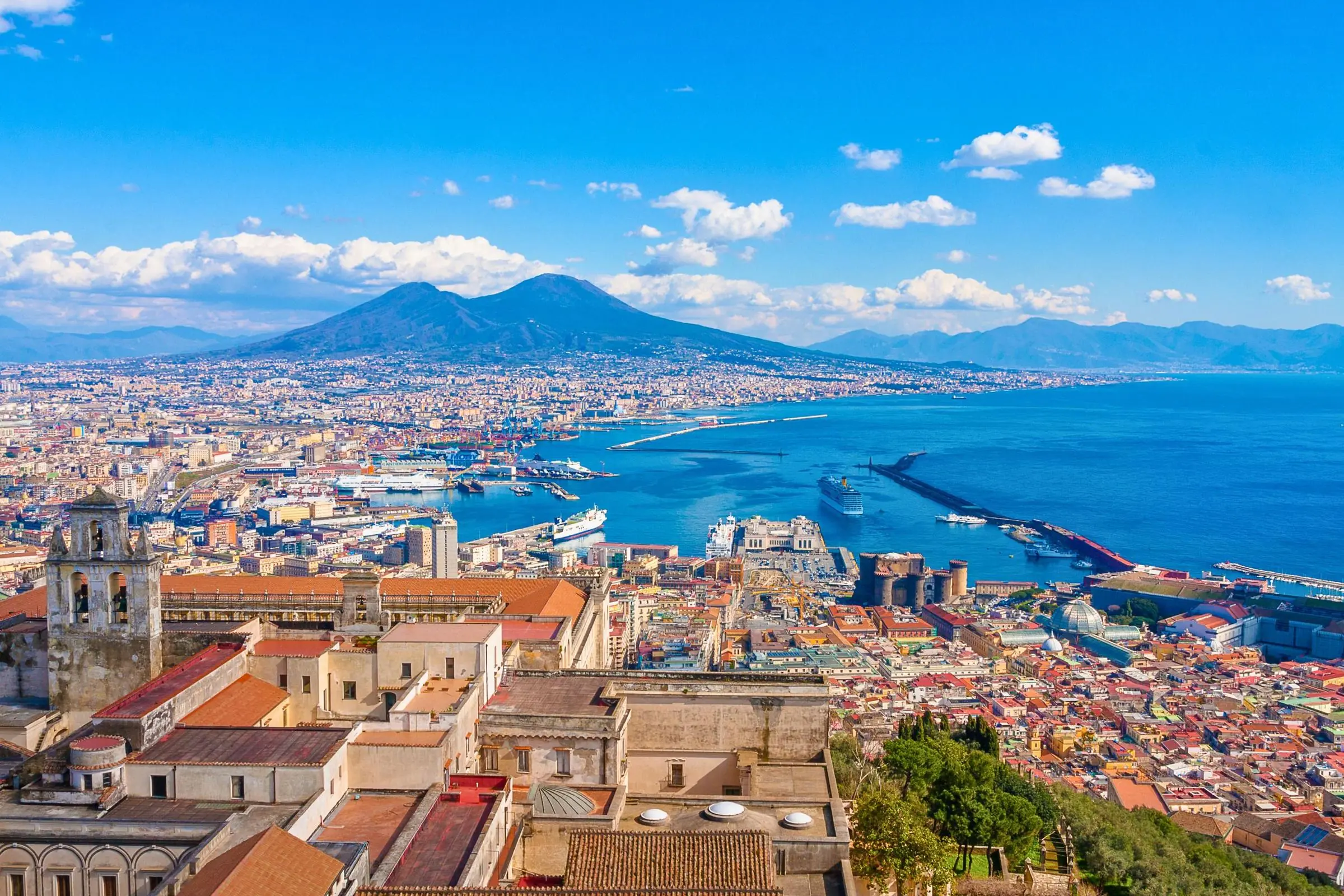
Naples is not a city that eases you in. From the moment you step out of the central train station, you are hit with a wall of sound, scooter exhaust, and the smell of fried food. It is dense, loud, and requires a bit of patience to navigate. But if you know how to plan your days, where to base yourself, and how to avoid the common tourist pitfalls, it is also one of the most rewarding cities in Europe.
This guide is your starting point. We have broken down the logistics of visiting Naples into actionable steps, whether you are trying to figure out how many days you need, looking for the best neighborhood to sleep in, or trying to secure entry tickets for the major archaeological sites.
Step-by-Step Naples Itineraries
How long should you stay in Naples? You need at least two full days to see the city center and one major archaeological site (like Pompeii). Three days is the sweet spot for most visitors, allowing you to add a day trip to the islands or the coast.
Choose the itinerary that matches your schedule:
- 1 Day in Naples: A fast-paced walking route covering the historic center, the best pizza, and the waterfront.
- 2 Days in Naples: Adds a half-day trip to Pompeii or Herculaneum, plus time for the National Archaeological Museum.
- 3 Days in Naples: The standard trip. Covers the city, the ruins, and gives you time to explore the Vomero hill or the Catacombs.
- 4 Days in Naples: Introduces a full day trip to Capri, Ischia, or Procida.
- 5 Days in Naples: A comprehensive regional tour, allowing you to venture down to the Amalfi Coast or Sorrento.
Essential Trip Planning Guides
Before you book your flights, you need to understand the layout of the city and the reality on the ground. Use these deep-dive guides to handle the logistics of your trip.
Where to Base Yourself
Your experience of Naples changes drastically depending on where you sleep. The Centro Storico is atmospheric but very noisy at night. Chiaia is upscale and quiet but further from the main train station. Read our full Where to Stay in Naples guide to match your travel style with the right district.
Safety in Naples
Naples has a lingering reputation for crime, largely fueled by movies and outdated stereotypes. The reality for tourists is much more mundane: violent crime against visitors is exceptionally rare, but petty theft is common. Our Safety Guide breaks down exactly which streets to avoid at night and how to secure your belongings on crowded transit.
Food & Pizza
You are here to eat. But not every pizzeria in Naples is worth your time, and the famous spots often have two-hour waits. Read our guide to the Best Neapolitan Pizza to find out where the locals actually eat, and check our broader Where to Eat directory for seafood, street food, and traditional trattorias.
If you want to dive deeper into the food culture, booking a street food walking tour or a pizza making class is a highly practical way to spend an afternoon.
Advice for Different Traveler Types
Naples is not a one-size-fits-all destination. Here is how to approach the city based on your specific travel group.
Families with Children
Naples can be challenging for families with young children. The sidewalks in the historic center are narrow, uneven, and often blocked by parked scooters, making strollers a major hassle.
- Logistics: Bring a baby carrier instead of a stroller if possible. Base yourself near the Lungomare Promenade, which is flat, pedestrianized, and much easier to navigate.
- Attractions: Pompeii is vast and offers zero shade in the summer. If you are visiting with kids, consider Herculaneum instead. It is smaller, better preserved, and much easier to walk through. You can book a skip-the-line entry ticket to avoid waiting in the heat.
- Tours: If you do tackle Pompeii, book a guided family tour to keep the kids engaged.
Couples
Naples has a gritty exterior, but it offers plenty of romantic experiences if you know where to look.
- Views: Take the funicular up to the Vomero neighborhood at sunset. The view from Castel Sant’Elmo over the Bay of Naples is the best in the city.
- On the Water: Escape the city heat by booking a sunset boat tour along the Posillipo coast, or take a day trip to Capri.
- Dining: Avoid the chaotic pizzerias of the center for date night. Head to the Santa Lucia marina near Castel dell’Ovo for waterfront seafood restaurants.
Solo Travelers
Naples is a highly social city, making it great for solo travelers.
- Safety: Stick to well-lit areas at night. The area immediately surrounding Napoli Centrale (Piazza Garibaldi) gets sketchy after dark; avoid walking through the narrow side streets here alone late at night.
- Dining: Eating alone is completely normal here. Grab a folded pizza (pizza a portafoglio) from a street vendor, or sit at the counter in a local cafe.
- Meeting People: Joining a guided walking tour or a small-group day trip to the Amalfi Coast is an easy way to meet other travelers while letting someone else handle the driving.
Getting Around: Transit Logistics
You will walk a lot in Naples, but the city’s public transit system is necessary for covering longer distances or climbing the steep hills.
The Circumvesuviana Train This is the local commuter train that connects Naples to Pompeii, Herculaneum, and Sorrento. It is cheap (€3-€4) but notorious for pickpockets. Do not stand near the doors with your phone out, and keep your bags zipped and in front of you. If you want a more comfortable ride, look into the tourist-focused Campania Express train or book a guided tour with bus transport.
- From the Airport: The Naples International Airport (NAP) is very close to the city. The Alibus shuttle costs €5 and runs directly to the Central Train Station and the Port (Molo Beverello). Taxis have a fixed rate to the center (around €18-€20), but you must ask for the “tariffa predeterminata” before the driver starts the meter.
- The Metro: Metro Line 1 (the Yellow Line) is the most useful for tourists, connecting the train station to the historic center (Duomo, Dante, Toledo) and up the hill to Vomero. The stations themselves are modern art installations.
- Funiculars: Naples has four funicular railways that drag commuters up the steep hills. The Central Funicular (Funicolare Centrale) connects the shopping street Via Toledo to the Vomero neighborhood.
Core Attractions & Ticket Advice
Naples requires advance booking for several of its major sights. Do not expect to walk up and buy tickets on the day for the most popular attractions.
The Sansevero Chapel houses the Veiled Christ sculpture, one of the most famous pieces of art in Italy. The chapel is tiny, and tickets regularly sell out weeks in advance. You cannot buy tickets at the door.
The Big Three in the City
- National Archaeological Museum (MANN): This museum holds the original mosaics, frescoes, and statues pulled from the ashes of Pompeii. It provides vital context. Book your entry ticket in advance to skip the queue.
- Naples Underground (Napoli Sotterranea): A massive network of Greek aqueducts and WWII bomb shelters beneath the historic center. You can only enter on a guided tour. It gets very crowded, and the tunnels are tight.
- Catacombs of San Gennaro: Located in the Rione Sanità neighborhood, these early Christian burial sites are vast and atmospheric. Your entry ticket includes a mandatory guided tour.
The Big Three Day Trips
- Pompeii: The massive Roman city frozen in time. It takes at least 3-4 hours to see properly. Buy a reserved entry ticket to bypass the long ticket office lines, or book a guided tour with an archaeologist to actually understand what you are looking at.
- Mount Vesuvius: You can hike to the crater of the volcano that destroyed Pompeii. The road takes you most of the way up; the hike is about 30-40 minutes of steep gravel. You must buy a skip-the-line ticket online; there is no ticket office at the crater, and cell service is spotty up there.
- Amalfi Coast: While you can take a train to Sorrento and a bus to Positano, the traffic is famously terrible. The most efficient way to see the coast from Naples in a single day is via a boat tour or a small-group minivan tour.
City Passes: Are They Worth It?
If you plan to visit Pompeii, the Archaeological Museum, and use public transit, you should look into the regional city passes.
Top Naples City Passes
Campania Artecard (3-Day)
- Includes free entry to your first 2 sites (e.g., Pompeii and MANN).
- Up to 50% discount on subsequent sites.
- Includes unlimited public transit in the region (including the Circumvesuviana train).
Naples Pass
- Focuses heavily on city-center museums and underground tours.
- Does not automatically include regional transit or Pompeii.
- Best if you are staying strictly within the city limits.
For a full breakdown of the math, read our guide comparing the Naples City Passes.
Frequently Asked Questions
Is Naples safe for tourists at night?
Yes, the central tourist areas (Centro Storico, Via Toledo, Chiaia, Vomero) are generally safe at night and remain busy with locals eating and socializing late into the evening. However, you should avoid the immediate area around Piazza Garibaldi (the central train station) late at night, as it can feel sketchy and is prone to petty crime. Always stay aware of your surroundings and watch out for fast-moving scooters in narrow alleys.
How many days do I need in Naples?
To see the city properly, you need a minimum of 3 days. This allows you one full day for the historic center and museums, one full day for Pompeii and Mount Vesuvius, and a third day to explore the waterfront, the Catacombs, or take a quick trip to a nearby island like Procida. If you want to use Naples as a base for the Amalfi Coast, plan for 5 days.
Do I need cash in Naples?
While credit cards are widely accepted at hotels, museums, and larger restaurants, you absolutely need cash in Naples. Many small pizzerias, street food vendors, and cafes prefer or only accept cash. You will also need small coins for tipping, buying metro tickets from machines, and paying for public restrooms.
Can I drink the tap water in Naples?
Yes, the tap water in Naples is safe to drink. You will see locals drinking from public fountains (fontanelle) scattered around the city. However, the water is quite hard (rich in minerals), so if you have a sensitive stomach, you may prefer bottled water, which is cheap and available everywhere.
What is the best way to get from the airport to the city center?
The Alibus is the official airport shuttle. It costs €5 and departs right outside the arrivals terminal, stopping at the Central Train Station (Piazza Garibaldi) and the Port (Molo Beverello). The journey takes about 15-20 minutes to the station. Alternatively, a taxi has a fixed rate to the center (around €18-€20), but you must explicitly ask the driver for the “tariffa predeterminata” before getting in.
Should I visit Pompeii or Herculaneum?
If you have time, both. But if you must choose: Pompeii is massive, iconic, and takes at least a half-day to explore, but it lacks shade and can be exhausting. Herculaneum is much smaller, more compact, and better preserved (you can see original wooden beams and multi-story buildings). Herculaneum is generally better for families with young children or those short on time.